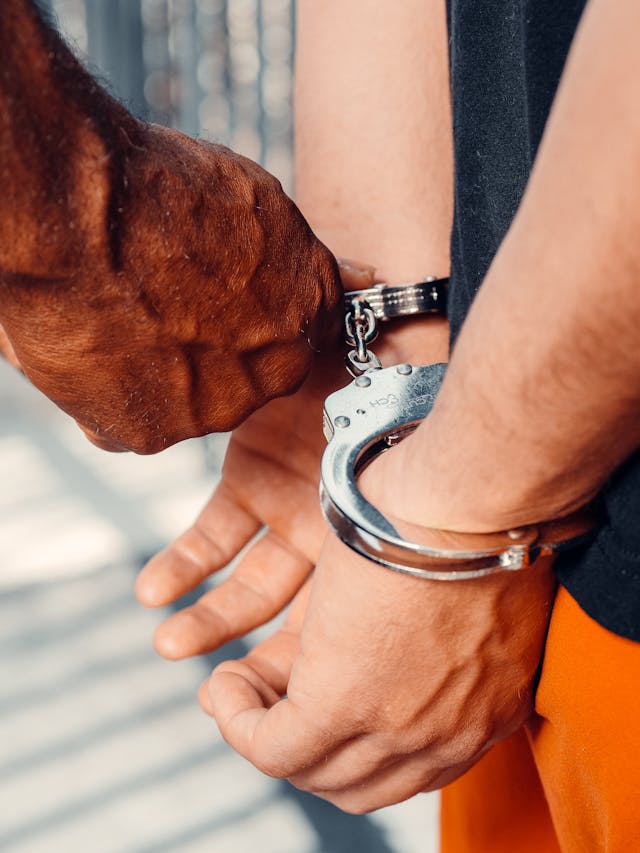
An arrest can turn an ordinary day into a confusing situation very quickly. Family members may be trying to find out where someone is being held, what the charges are, whether bail has been set, and what needs to happen before release.
This is where understanding Bail Bonds Leon County FL can make the process a little easier to navigate.
Bail is part of the pretrial process. Its purpose is generally to help ensure that a defendant returns for required court proceedings while also addressing community-safety concerns. Florida law allows different forms of pretrial release, and a judge has authority over setting or changing bail in situations covered by the law.
The exact process can vary depending on the charge, the defendant’s history, the court’s decisions, and other circumstances. So, rather than assuming every arrest follows the same pattern, it helps to understand the basic steps.
What Happens After an Arrest in Leon County?
After an arrest, the person is generally taken into custody and processed according to the applicable procedures.
The next steps can depend heavily on the case.
Some people may qualify for release under particular pretrial conditions, while others may need a judge to determine bail or other conditions. Florida law provides a statewide framework for pretrial release and bail, while specific circumstances of the case can affect what happens.
For family members, the first priority is usually finding accurate information about the person’s custody status, charges, and release conditions.
What Exactly Is a Bail Bond?
A bail bond is one way a person may secure release before the criminal case is resolved when that form of release is permitted.
Instead of paying the full monetary amount directly to the court, a surety bond can be used in situations where it is available.
Florida law recognizes surety bonds as one form of satisfying the monetary component of pretrial release.
A bail bond company may assist with arranging the bond according to the applicable requirements.
It’s important to understand that getting a bond does not mean the criminal case has been dismissed or decided. The case continues after release, and the defendant generally must follow the conditions imposed by the court.
Who Decides the Bail Amount?
A common misunderstanding is that a bail bond company decides how much bail a person must pay.
That isn’t the case.
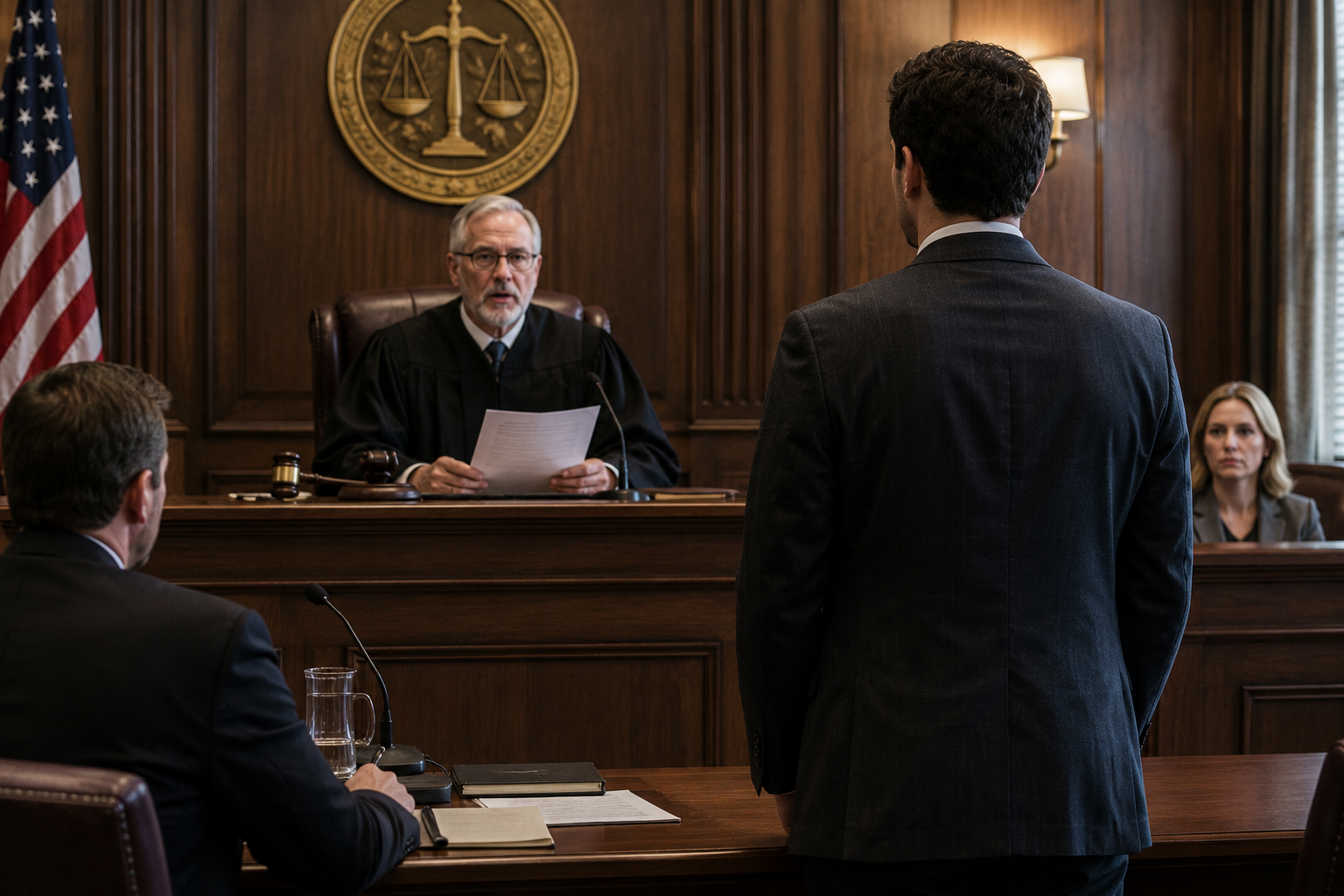
Under Florida law, the judge has authority to set, reduce, or otherwise alter bail, subject to the applicable statutory framework.
The court may consider several factors when determining bail or other release conditions, including the nature of the alleged offense, the weight of the evidence, the person’s ties to the community, employment history, financial resources, prior conduct, and potential risks.
Because every case is different, two people arrested for different circumstances may have very different release conditions.
What Factors Can Affect Bail?
Florida law identifies several considerations that may be relevant to a bail determination.
These can include:
The nature and circumstances of the alleged offense
The weight of the evidence
The person’s family and community ties
Employment history and financial resources
Previous convictions or failures to appear
Potential danger to the community
Potential intimidation or danger involving victims
Whether the person is already on another form of release
The court can also consider other relevant facts depending on the circumstances.
This is why there isn’t one universal answer to the question, “How much will bail be?”
How Does a Bail Bond Company Help?
When someone is trying to arrange a bond, the process can feel overwhelming, especially if it is the first time dealing with an arrest.
A bail bond company can explain the bond process, discuss the information needed, and help with the paperwork and financial arrangements involved in obtaining a surety bond.
For families searching for Fast Bail Bonds Leon County FL, speed may be important, but it shouldn’t mean skipping important details.
Before signing anything, understand the financial responsibilities, payment arrangements, and conditions connected with the bond.
What Information May Be Needed?
The exact information requested can vary, but a bail bond provider may need basic details about the person in custody and the case.
This may include the person’s full name, date of birth, booking information, charges, jail location, and the bail amount if one has already been established.
Having accurate information can make conversations with the bond provider much easier.
If you don’t know everything, don’t guess. Tell the provider what information you do have and ask what else is needed.
Understanding the Difference Between Bail and a Bail Bond
The terms are often used interchangeably, but they aren’t exactly the same thing.
Bail refers broadly to a form of pretrial release and can involve monetary conditions.
A bail bond is one mechanism through which a surety can satisfy the monetary component of release when permitted.
Florida law specifically states that “bail” and “bond” include forms of pretrial release and provides for surety bonds as one way to meet a monetary component.
Understanding this difference can make conversations with the court or a bond provider easier.
What Does a Defendant Need to Do After Release?
Getting released is not the end of the process.
A defendant must follow the conditions of release.
Florida law provides conditions that can apply to pretrial release, including refraining from criminal activity and complying with applicable court orders such as no-contact orders.
Other conditions can apply depending on the individual case.
This is why anyone released on bail should read the paperwork carefully and understand what the court requires.
Why Court Dates Matter
One of the central purposes of bail is to help ensure that a defendant appears for future court proceedings.
Missing a required court appearance can create serious legal problems.
For that reason, anyone released from custody should keep track of every scheduled hearing and follow the instructions provided by the court or attorney.
If a person is unsure about a court date or condition, it is better to verify the information rather than relying on memory.
What Happens If Someone Violates Release Conditions?
Pretrial release is not unconditional.
A person may have specific requirements they must follow while the criminal case is pending.
For example, Florida law includes conditions relating to criminal activity and court-ordered no-contact requirements.
Violating release conditions can have consequences, and the exact result depends on what happened and what the court orders.
If there is uncertainty about a release condition, speaking with a criminal defense attorney is usually the appropriate way to get case-specific legal advice.
Can Everyone Get Bail?
No.
The availability and conditions of release depend on the circumstances.
Florida law provides situations in which certain defendants may be subject to restrictions on release before first appearance, and the law also allows for pretrial detention in qualifying circumstances when the statutory requirements are met.
This means a person should not assume that contacting a bail bond company automatically guarantees release.
The court’s decision and applicable law control the process.
Why Fast Assistance Can Be Helpful
An arrest can create pressure for the entire family.
People may have work responsibilities, children to care for, transportation problems, or other obligations. Naturally, they may want to understand the release process as quickly as possible.
This is why some families look for 24 Hour Bail Bonds Leon County or Fast Bail Bonds Leon County FL.
Quick communication can be helpful, but the most important thing is accurate information.
A family should understand what is being signed, what financial responsibilities exist, and what the defendant must do after release.
Understanding Bail Bonds Leon County FL
When searching for bail bonds leon county fl, it is useful to remember that the bond process is connected to the underlying criminal case.
A bail bond doesn’t determine guilt or innocence.
It also doesn’t end the criminal case.
The defendant still has to address the charges through the court process and comply with applicable release conditions.
For that reason, bail assistance and legal representation serve different purposes.
A bail bond provider can help with the bond process, while a criminal defense attorney can provide legal advice about the charges and defense.
What If the Arrest Involves a Warrant?
Sometimes an arrest happens because of an outstanding warrant.
In that situation, the family may have questions about the warrant, the underlying case, and whether bail is available.
If you are dealing with a warrant, don’t rely entirely on an online search or unofficial information.
The circumstances of the warrant matter, and the appropriate court or law-enforcement agency may need to be contacted for reliable information.
If the situation is complicated, an attorney can explain the legal options.
Leon County and Other Florida Counties Are Different
People sometimes search for bail information across several counties because family members live in different areas.
For example, someone may be looking for madison fl bail bonds while the actual arrest or case is in Leon County.
The county involved matters because different courts, jails, and local procedures may be involved.
Similarly, Jail Release Assistance Madison, Fl would relate to a different local situation than a Leon County arrest.
Always confirm the county and location where the person is actually being held.
What About Jackson County Warrant Searches?
Warrant information is also county-specific.
Someone searching for Warrant Search Jackson County FL should not assume that information from Leon County applies to Jackson County.
The same principle applies in reverse.
If the concern is a leon county fl warrant search, use the appropriate county resources and verify information before making decisions about surrender, arrest, or release.
Online records can also have limitations, so the absence of information from a public search should not automatically be treated as proof that no legal issue exists.
Court Dates and the Bail Process
Once someone is released, keeping track of court dates becomes extremely important.
People sometimes confuse a warrant search with a court-date search.
For example, a Gadsden County Court Date Lookup is about finding court scheduling information, while a warrant search is focused on whether a warrant may exist.
These are different things.
If you are unsure about the next court date, verify it through the appropriate court or ask the person’s attorney.
Can Notary Services Be Related to the Process?
In some legal or financial situations, people may need documents notarized.
Someone searching for notary services in madison fl may need assistance with a document that requires notarization.
However, a notary’s role is different from that of a lawyer or bail bond provider. A notary generally handles the notarization process and does not provide legal advice about the meaning or consequences of a document.
If you’re unsure about what a legal document means, ask a qualified attorney.
Questions to Ask a Bail Bond Provider
Before arranging a bond, don’t be afraid to ask straightforward questions.
What is the total financial responsibility?
What payment arrangements are available?
What information is needed?
What happens after the bond is posted?
What responsibilities does the person released on bond have?
What happens if a court date is missed?
Understanding these points before signing an agreement can prevent unpleasant surprises later.
How Sunshyne Bail Bonds Inc. Can Help
When a family is dealing with an unexpected arrest, having someone explain the bond process in straightforward language can make the situation easier to understand.
Sunshyne Bail Bonds Inc. can assist people who are looking for information about the bail bond process and need help understanding the practical steps involved.
The important thing is to approach the process carefully. A bail bond is a financial and legal responsibility, so read the agreement and ask questions before signing.
Bail Is Only One Part of the Bigger Legal Process
It’s easy to focus entirely on getting someone released from custody.
That makes sense in the moment.
But once the person is released, the underlying criminal case continues.
Court appearances, attorney consultations, evidence, motions, and other legal matters may still need attention.
A bail bond can help with the pretrial release portion of the situation, but it does not replace legal representation.
If the person has questions about the charges or possible defenses, a criminal defense attorney is the appropriate professional to consult.
Conclusion
Understanding Bail Bonds Leon County FL can make an unexpected arrest a little easier to navigate.
The process generally involves determining whether the person is eligible for release, understanding the bail or other release conditions, and arranging a permitted form of bond when necessary. Florida law gives courts authority over bail and requires consideration of various factors when determining release conditions.
If a surety bond is available, a bail bond provider can help with the practical process of arranging the bond.
But release is only the beginning. The defendant must follow court conditions, attend required proceedings, and continue addressing the underlying case.
If you or a family member is dealing with an arrest, focus first on getting accurate information. Understand the charges, confirm the release conditions, ask questions about the bond agreement, and seek legal advice when you need help understanding the criminal case.
Frequently Asked Questions
1. How do bail bonds work in Leon County, FL?
When bail or another monetary form of release is available, a surety bond may be used to satisfy the monetary component of pretrial release. A bail bond provider can explain the paperwork and financial arrangements involved. Florida law governs the broader bail and pretrial-release process.
2. Who decides the bail amount?
The court has authority to set, reduce, or otherwise alter bail under Florida’s statutory framework. The court may consider factors such as the alleged offense, evidence, prior conduct, community ties, and potential risks.
3. Does getting a bail bond end the criminal case?
No. A bail bond is related to pretrial release. The underlying criminal case continues, and the defendant must follow applicable release conditions and attend required court proceedings.
4. What happens if someone misses a court date after being released?
Missing a required appearance can create additional legal problems and may affect release or bond status. If a court date is missed, it’s important to get legal advice promptly rather than ignoring the situation.
5. Can a bail bond company provide legal advice about the criminal charges?
A bail bond provider can explain the bond process and related financial responsibilities, but legal advice about the criminal charges should come from a qualified attorney. The two roles are different, and both may be relevant depending on the situation.